
In the classroom
We teach courses in and beyond MIT classrooms, and are building them into a curriculum others can teach.
A research lab at MIT studying how wisdom and meaning are cultivated, and how they can be taught.
The Wisdom Lab is an experimental design studio inside MIT’s Department of Anthropology. For over a century, anthropology has studied how people around the world live, and how they make meaning of their lives. We put that inheritance to new use: helping people understand their own lives, and giving them the tools to keep studying them, so that meaning-making becomes a practice, and wisdom something anyone can cultivate.
We bring an anthropologist’s discipline to deeply human questions.
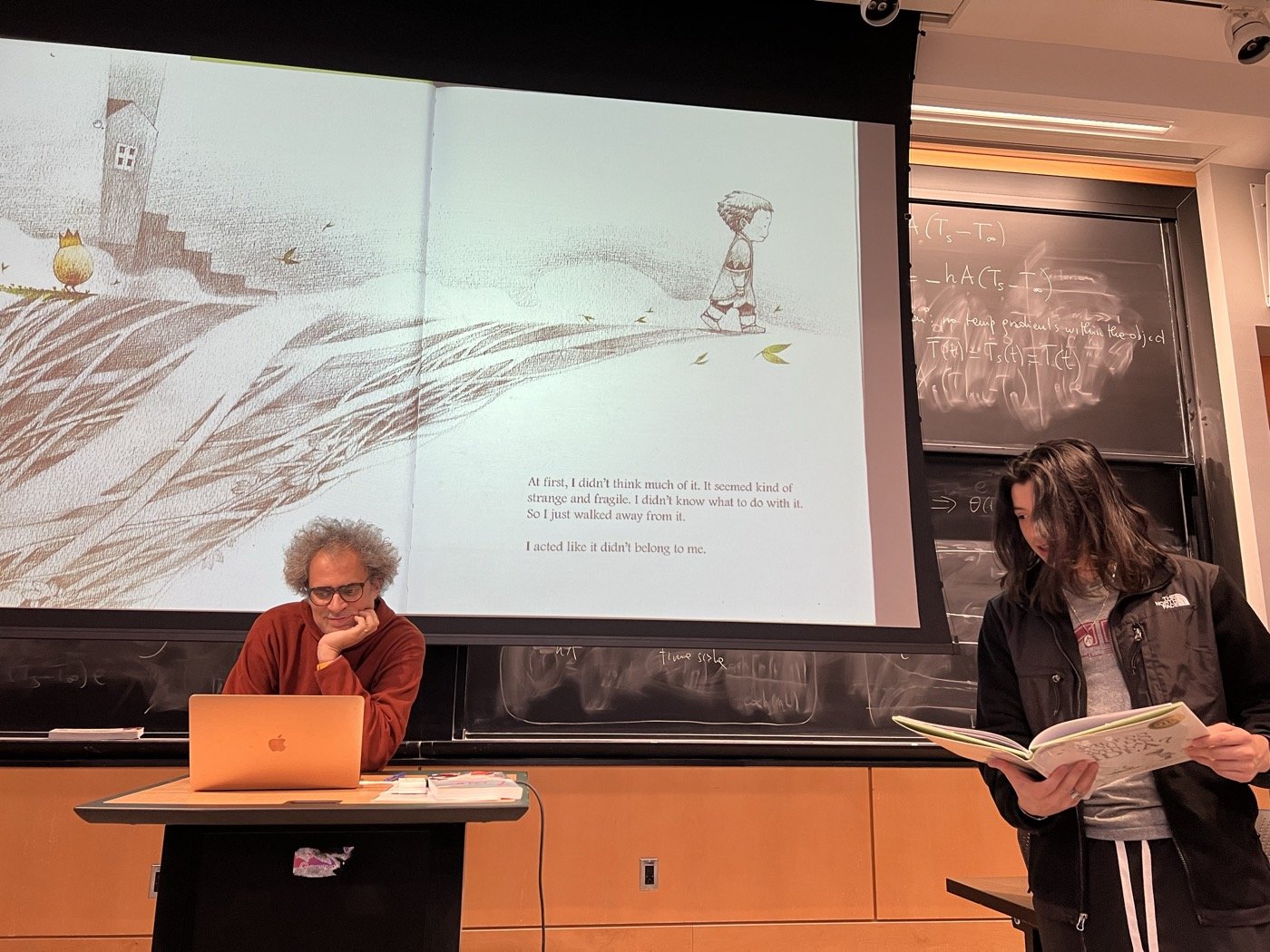
We teach courses in and beyond MIT classrooms, and are building them into a curriculum others can teach.
We study how people across cultures make meaning, and look for the practices worth carrying into our own lives.
What we learn becomes open, teachable resources: a forthcoming book, public writing, and tools for classrooms and communities.
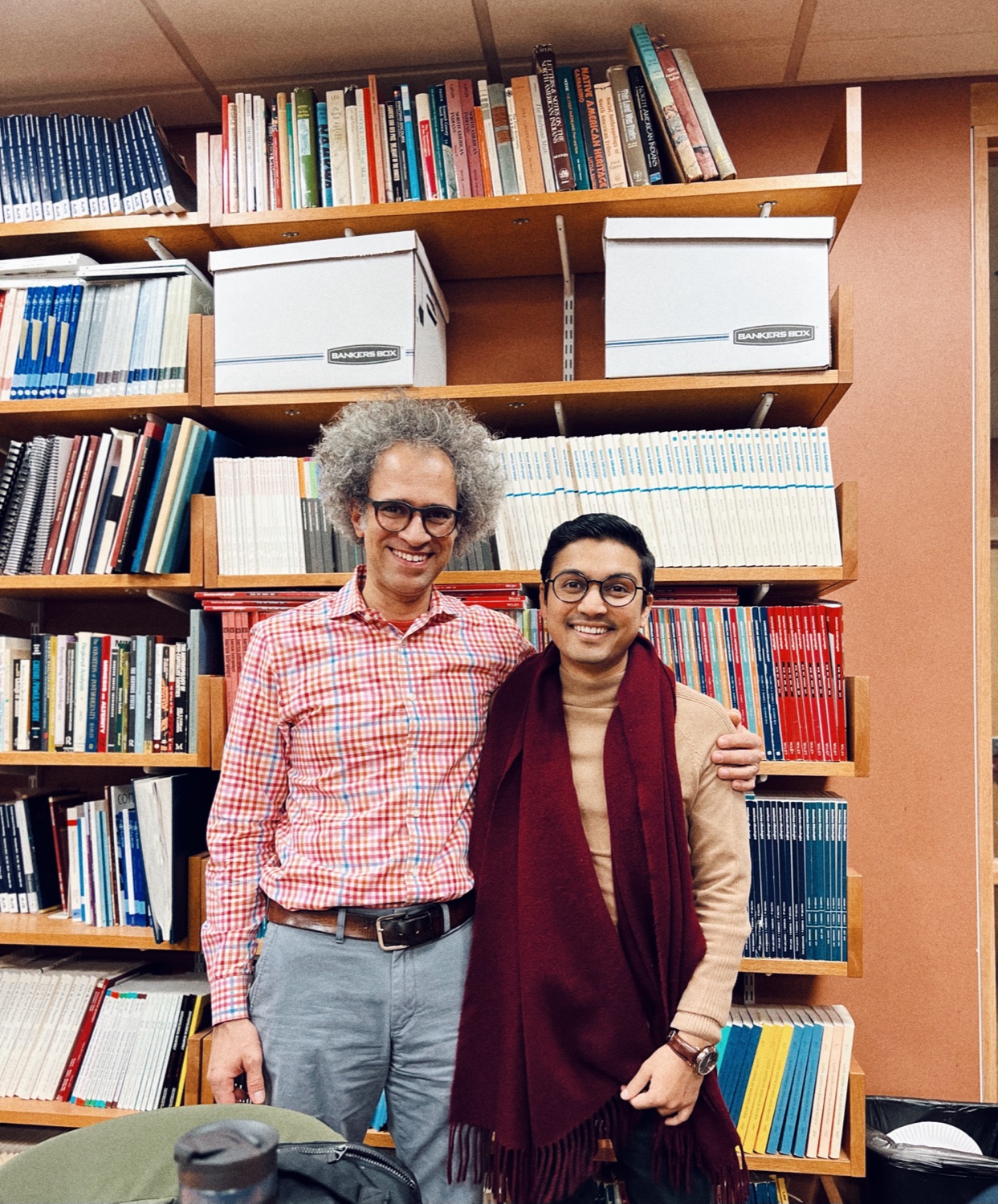
The Wisdom Lab grew from the collaboration between Graham M. Jones, Professor of Anthropology and MacVicar Faculty Fellow at MIT, and Deepak Ramola, wisdom historian and founder of Project FUEL, whose work has reached more than forty countries. Their collaboration brings together anthropology’s study of meaning-making and Deepak’s decade of work collecting and sharing life lessons across cultures.
Together, they have developed an approach inspired by ethnography, anthropology’s practice of learning from people by entering their worlds and taking their experiences seriously. The Lab works at the intersection of theory and practice, translating anthropological insight into tools and resources for making meaning and cultivating wisdom.
Learn moreIn 2017, Professor Graham Jones launched The Meaning of Life, now one of MIT’s most highly-rated courses. It is deeply experiential work: students do fieldwork on their own lives, interviewing parents, grandparents, friends, and strangers about love, work, faith, and belonging, and come away having learned things they never knew about the people closest to them.
Explore the class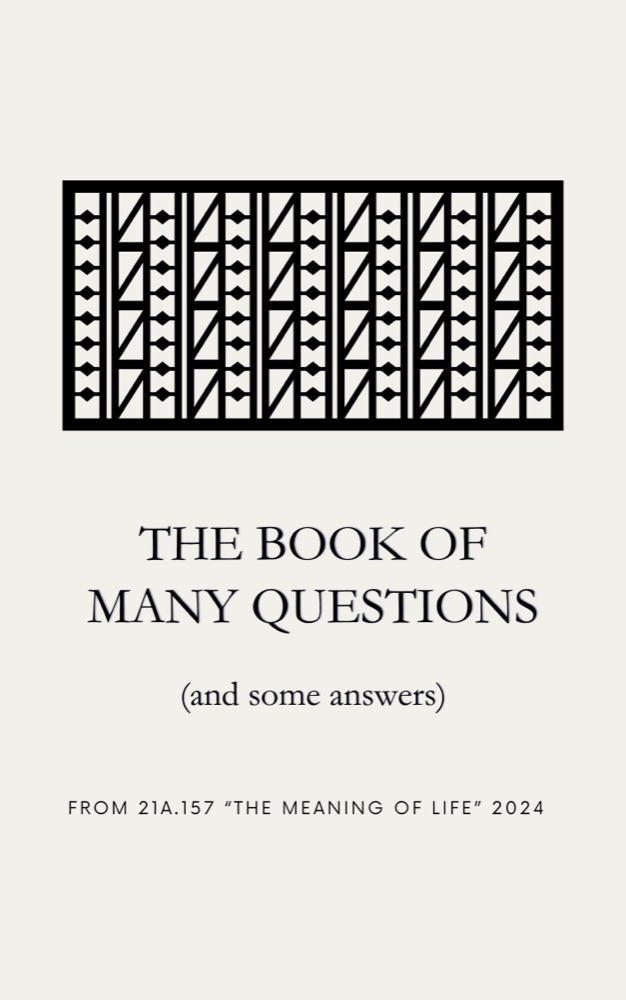
The question at the center of the Lab’s listening practice.
Wisdom is not a static inheritance but a living, evolving resource, shaped by culture, negotiated between generations, and adapted to meet the challenges of a changing world.
We work at the intersection of practical and participatory learning through play.
The Lab is built to be a bridge, carrying research findings out into community, and carrying what people already know back into the research. So our outputs are not only papers. We make things people can hold, play, read, and argue with, like books, films, games, and tools people can use without us in the room.
Read more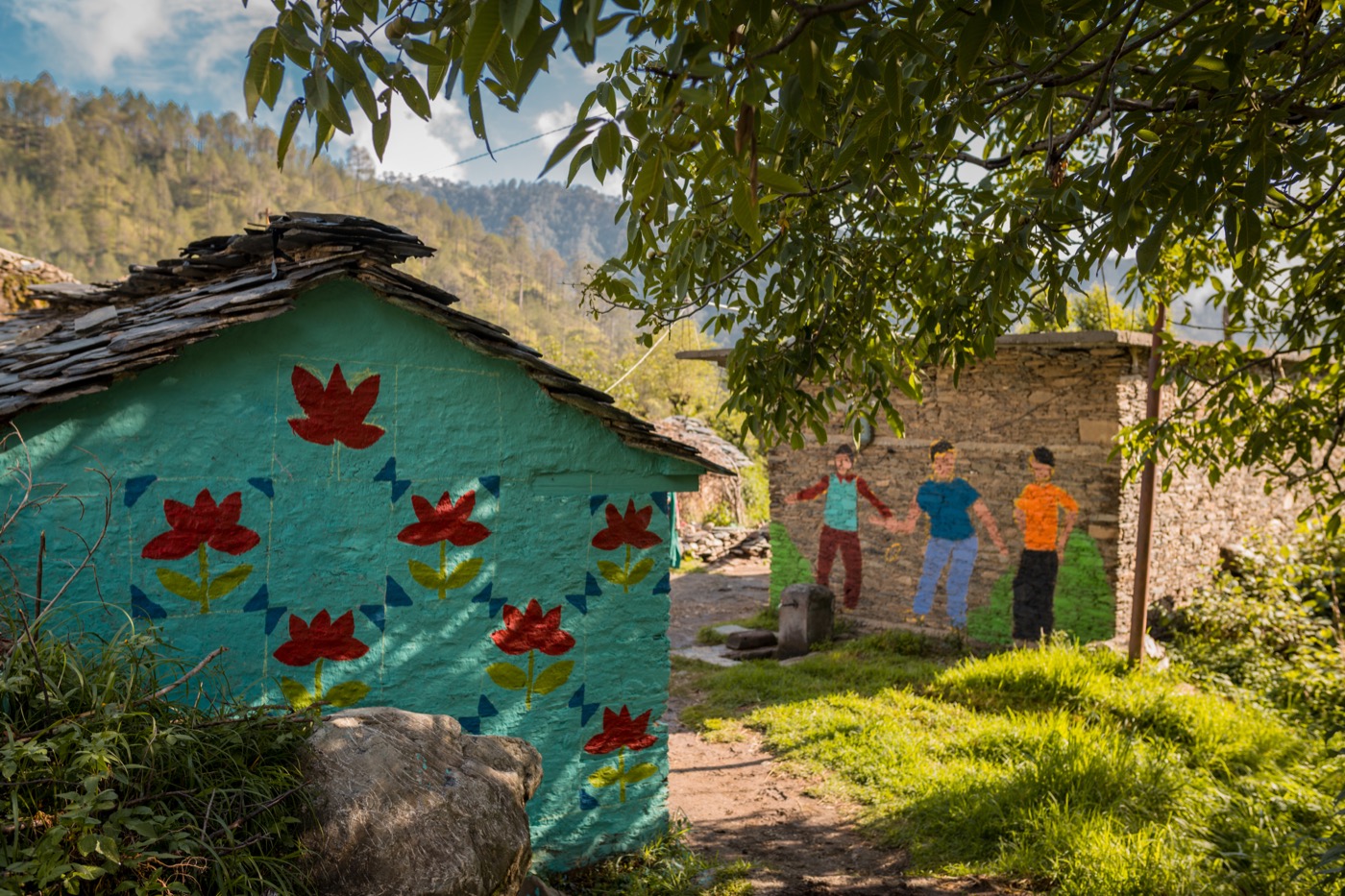
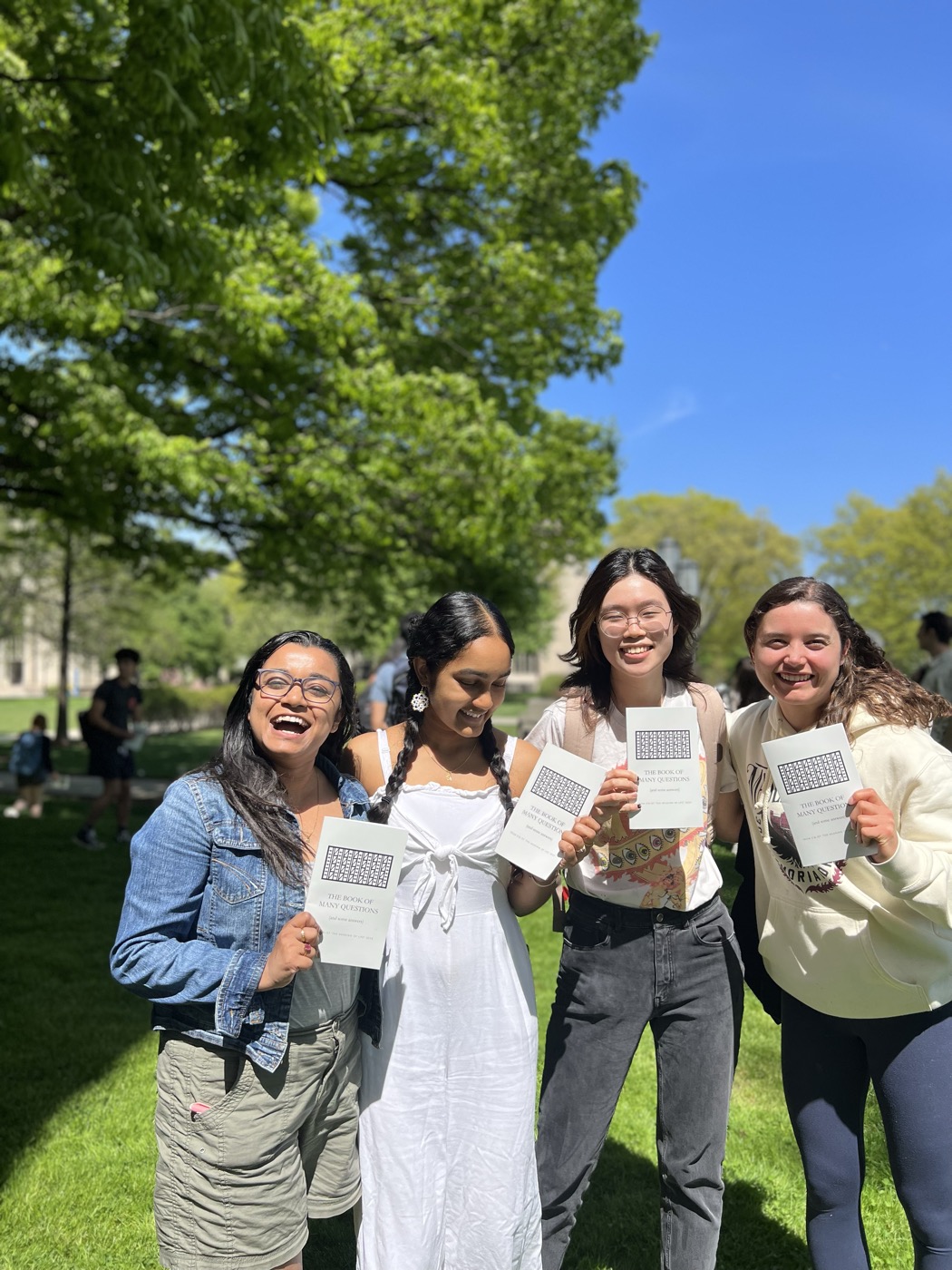
This work only happens with other people. We collaborate with artists, technologists, educators, community leaders, and donors who bring their own insight, imagination, and heart to the questions we are asking. Wisdom becomes a great deal more interesting when it is a shared pursuit.
Essays, conversations, and field notes.
I think I’ve learned lessons that will help me beyond my MIT career in this class.
Graham’s classes transform the students, setting them on paths of lifelong learning and self-reflection.
Deepak is a master designing activities that allow students to access their own internal wisdom.
Interested in what the Lab is up to? Sign up for the Wisdom Lab mailing list. Reach us at wisdomlab@mit.edu.
Field notes
Ethnography is not a technique. It is a way of making space for another person’s life to teach you.
Sample layout copy — the finished essay will take this page’s place.
The Lab’s method begins before any question is asked. Ethnography, as we practice it, means attending closely to a human life — its rhythms, its language, its silences — without rushing to simplify what another person has lived.
Wisdom rarely announces itself. It arrives sideways: in the way a grandmother folds a story into a recipe, in the sentence a farmer repeats when the rains are late. Our work is to notice, to ask gently, and to stay long enough for the lesson behind the story to surface.
The discipline is not in collecting answers. It is in becoming the kind of listener a life opens up to.
What is heard is then translated — carefully, with its owner, never merely about them — into practices that can be taught, shared, and applied: in classrooms, in communities, and in the tools we design for wiser decisions.
A collective of anthropologists, educators, and storytellers.
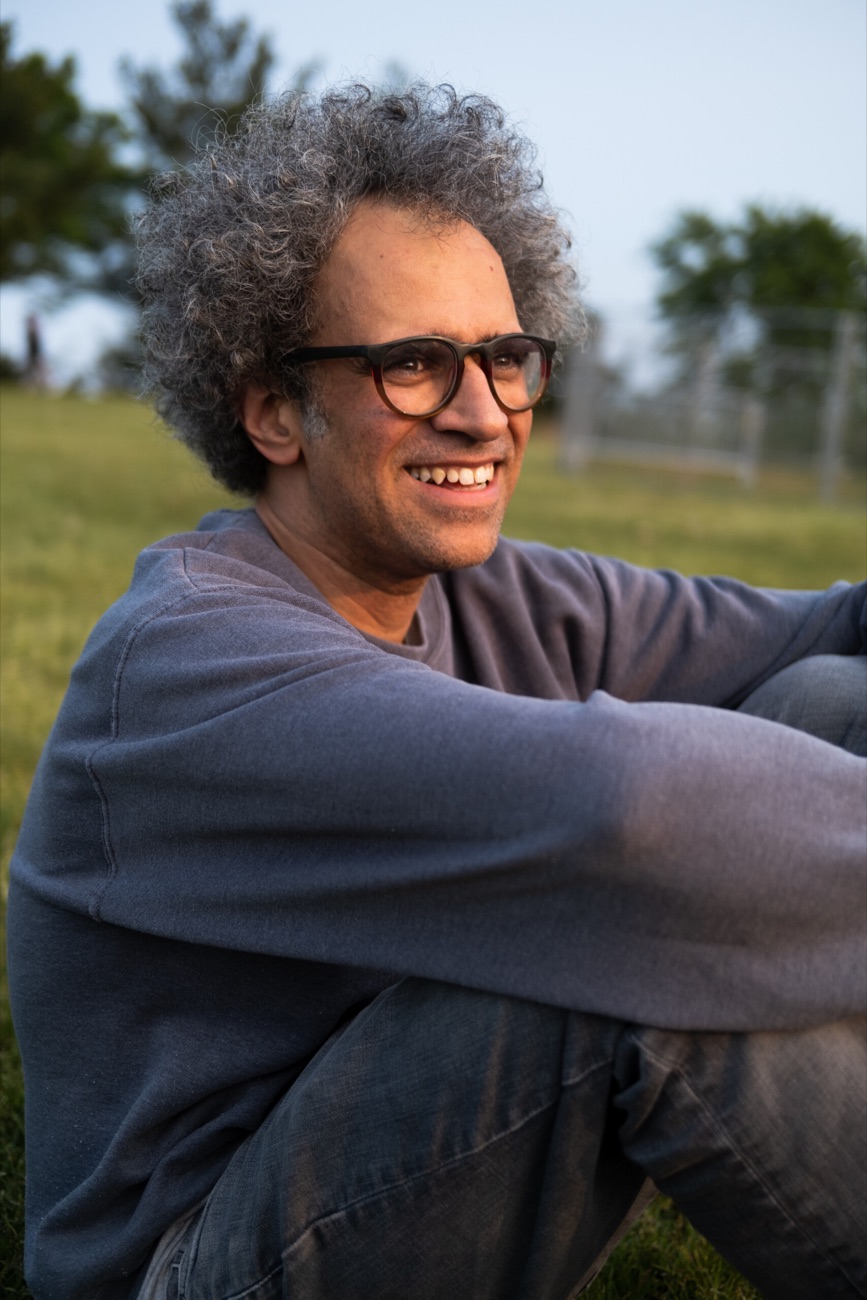
Professor of Anthropology, MIT · Director, Wisdom Lab
Graham M. Jones is a cultural and linguistic anthropologist whose work explores how people use language and media to enact expertise in practice, performance, and interaction. After earning a BA in literature from Reed College (1998) and a PhD in anthropology from New York University (2007), he was a postdoctoral member of the Princeton Society of Fellows (2007–2010).
His scholarship forms a diptych: Trade of the Tricks: Inside the Magician’s Craft (California, 2011) offers an ethnographic view of everyday life among contemporary French illusionists, while Magic’s Reason: An Anthropology of Analogy (Chicago, 2017) examines the meaning of magic in Western modernity. At MIT, he teaches the anthropology of education, mediated communication, and ethnographic methods.
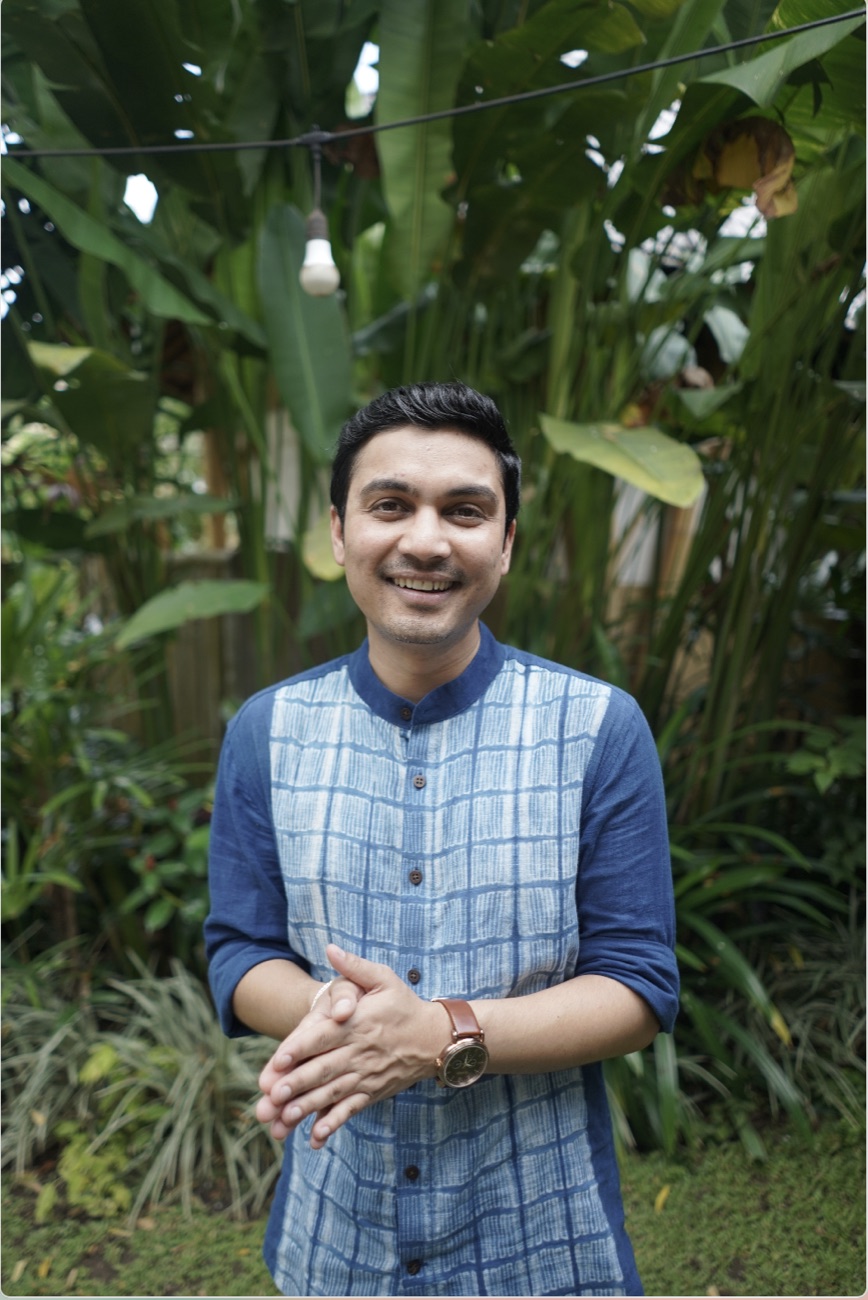
Wisdom historian · Research Scientist & Associate Director
Deepak Ramola is a wisdom historian, educator, and filmmaker whose work explores how people gather, preserve, and share wisdom across cultures. He is the founder of Project FUEL, an organization dedicated to documenting lived wisdom and translating life lessons from people across more than 195 countries into educational resources and practices. His methodology for wisdom-based learning has been recognized among the world’s top 100 innovations in education and adopted across five continents.
A graduate of the Harvard Graduate School of Education, Ramola previously served as a Life Design Fellow at Stanford University and as a Kindness Ambassador for UNESCO MGIEP. He is the author of four books spanning poetry, self-help, and narrative nonfiction. At the Wisdom Lab, Ramola brings his experience in collecting, interpreting, and teaching wisdom into an exploration of how people can become more attentive observers and meaning-makers in their own lives.
Research assistants
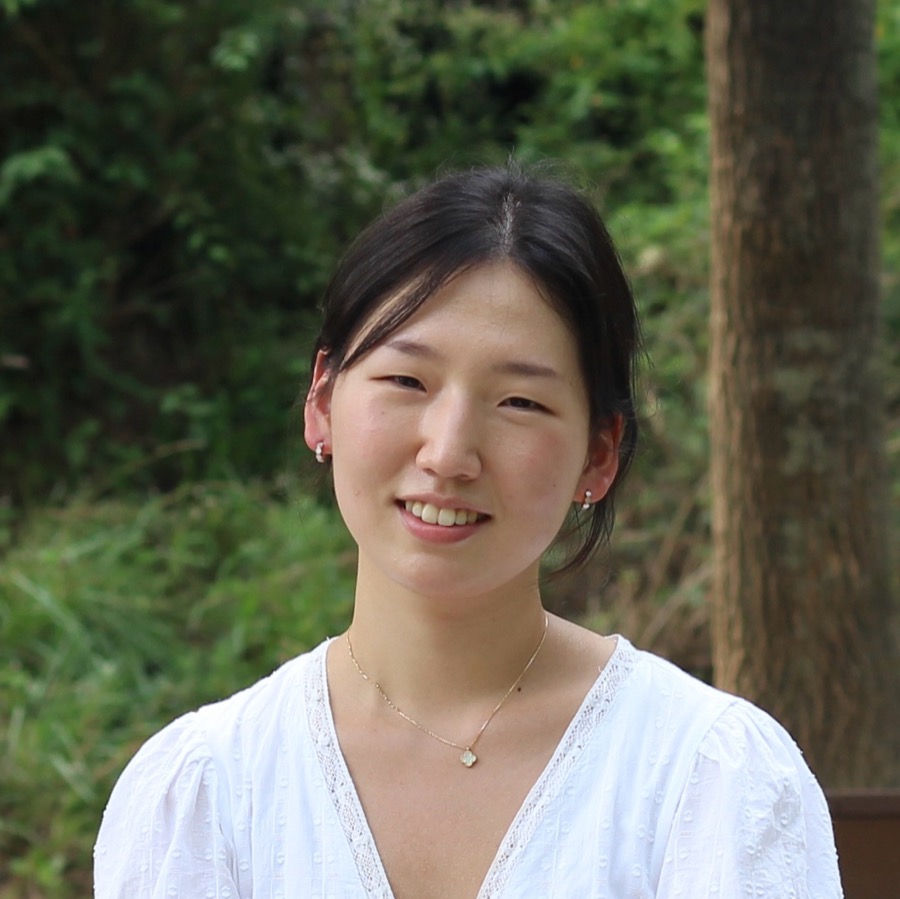
Research Assistant
Sinwoo is a fifth-year PhD candidate in Applied Developmental and Educational Psychology at Boston College. Her research investigates the psychological and collective conditions behind profound, self-transcendent experiences: moments of deep engagement and felt connection that elude easy explanation, as they unfold in ecologically valid settings such as live concerts. Her work extends across disciplines and contexts, from wellbeing research at the Harvard T.H. Chan School of Public Health’s Lee Kum Sheung Center for Health and Happiness, to the design of experiential and artistic experiences that instantiate the phenomena she studies, including public programming at the MIT Museum. She holds a Master’s degree from Harvard University in Language and Literacy and a Bachelor’s degree from Korea University in English Language Education.
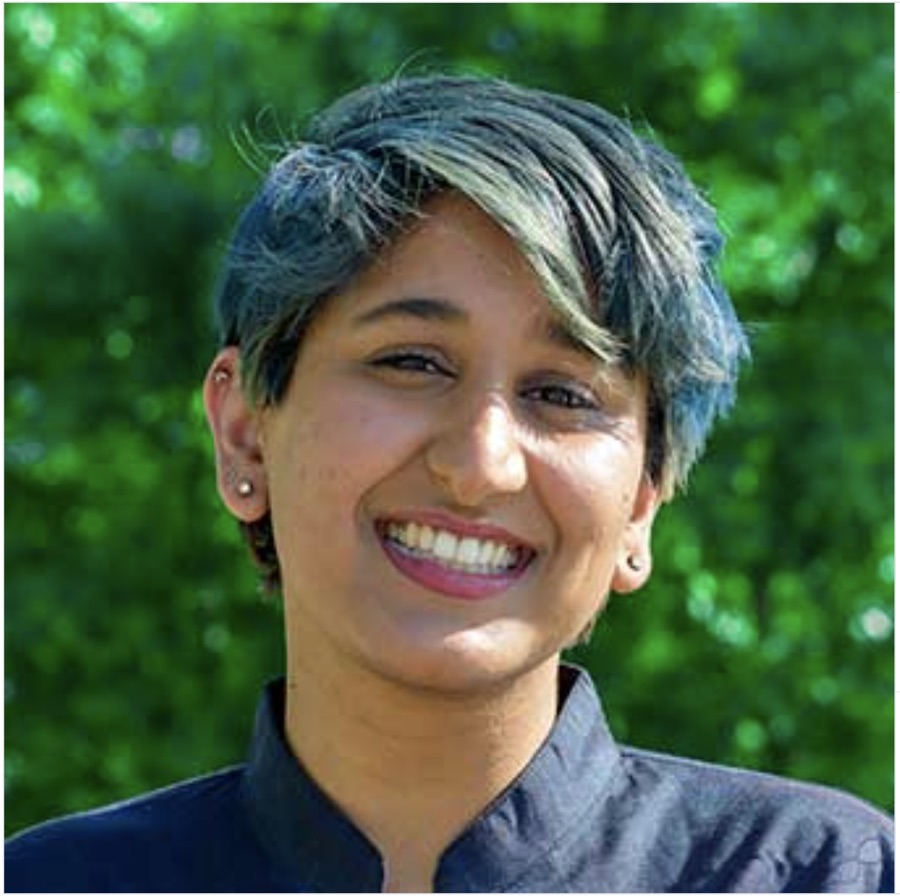
Research Assistant
Medha is an anthropologist who earned their PhD at Brandeis University. Their ethnographic work follows kinship, intergenerational care, and queer worldmaking in the domestic spaces of North India.
Wisdom Council
Our work is championed by some incredible thought leaders, thinkers and changemakers.
Co-founder, Apriem Advisors
Founder, Awedacious Originals
Professor of Anthropology
VP, Databricks
Director, South Asian Art & Literature Festival
Cognitive Scientist

We live in a remarkable paradox. Machines are becoming increasingly intelligent, while human societies remain deeply fragmented and unequal. We have achieved extraordinary standards of living, yet loneliness, anxiety, and a search for purpose persist. What if the next frontier is not simply becoming smarter, but becoming wiser?
The MIT Wisdom Lab is a space for innovative contemplation and exploration in our search for meaning in life. We bring together anthropology and technology, art and education, all examined through the lenses of wonder and play. We explore how people across cultures make meaning, navigate uncertainty, and cultivate ways of living that allow individuals and communities to flourish.
Anthropology gives us a way to turn this curiosity inward: to treat our own lives as fieldsites. Because we are all, in the end, researchers of our own lives.
We believe wisdom is not exclusive to philosophers, scholars, or celebrated sages. It lives in the experiences of children, elders, Indigenous communities, refugees, artists, workers, friends, strangers, and ourselves. By expanding who we listen to and what we recognize as wisdom, we open new possibilities for how we understand ourselves, one another, and the world.
Ultimately, the Wisdom Lab asks deceptively simple, age-old questions: How do we want to live? What makes a life meaningful? Our work is an ongoing experiment in asking them in new ways.
Progress without wisdom imperils our chances of passing on a habitable world to the next generation. MIT is the world’s leading source of technological innovation. We also want it to be a leading source of wisdom, for the sake of humanity.
Information that is understood is knowledge; knowledge that is embodied is wisdom. Becoming oneself is a lifelong endeavour, and often a hard one. Our goal is to help people nurture their wise self: to build a positive narrative for themselves, to seek out perspectives unlike their own, and to stay in lifelong learning.
We approach life with wonder and humility.
We center dignity, empathy, and deep listening.
We pursue rigour in method, and clarity in expression.
This work only happens with other people.
You might have a research question. A strange idea. A story. A project. A life lesson you picked up somewhere along the way and never quite knew what to do with. We’re interested in people who want to think, make, question, research, write, fund, experiment, and occasionally go down a very good rabbit hole.
Tell us who you are and what’s on your mind. We read emails. We promise.
The Lab
MIT Wisdom LabMIT · The Meaning of Life
3,260questions of life,
asked and answered.
Since 2017, The Meaning of Life has made inner work and authenticity as important as algorithms and equations.
The Meaning of Life course helps students explore purpose, ethics, and moral decision-making, drawing on social and historical perspectives.
Students learn how people across cultures and eras have approached fundamental questions about family, wealth, self-cultivation, belonging, relationships, and forces beyond themselves, equipping them to live and create with greater clarity and intention.
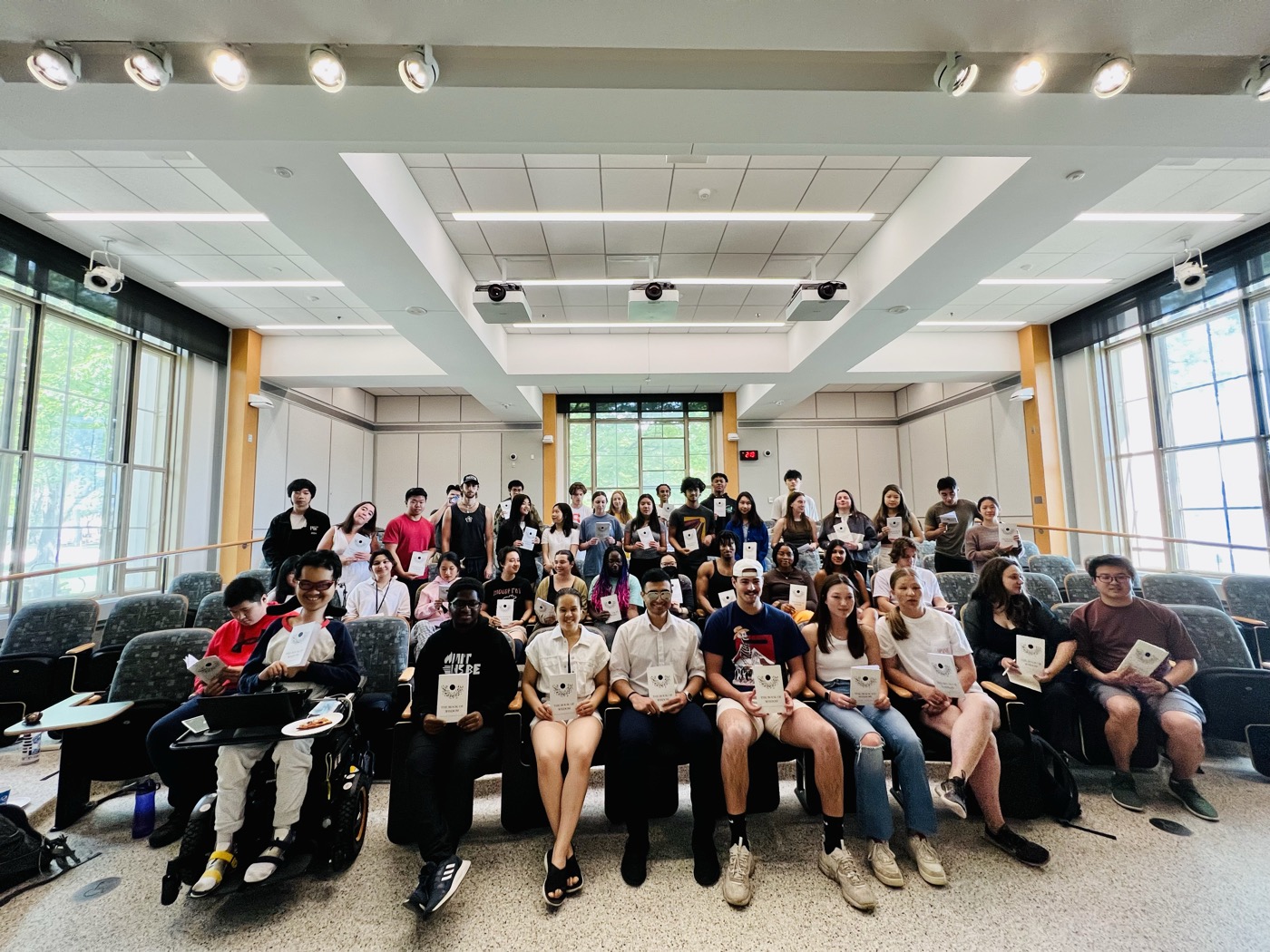
The course is deeply experiential. Students do fieldwork on their own lives, interviewing parents, grandparents, friends, and strangers about love, work, faith, and belonging, and come away having learned things they never knew about the people closest to them.
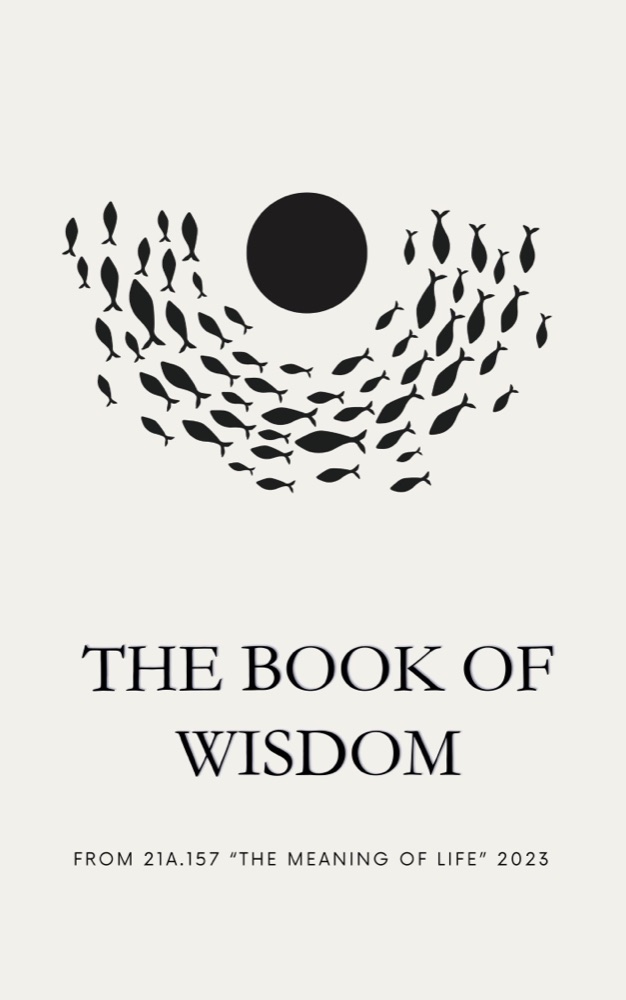
Each year the class binds what it has gathered into a book: a field record of the questions asked and the answers found.
A structured, safe forum for late-night conversations about the grander purpose of our existence never goes unnoticed.